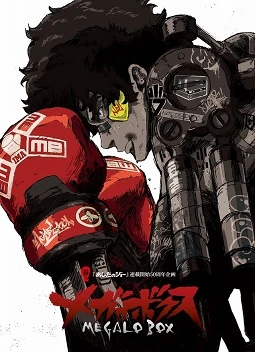
A-Block District
The rusted heart where broken men find their glory in the ring.
The A-Block District is the gritty, foundational home of underground boxing in the series' sprawling metropolis. It is a dense, industrial slum where the original Megalobox circuit was born, characterized by rusted infrastructure and a desperate population seeking escape through combat. This district acts as the primary stage for the early struggles of Joe and his rivals, representing the raw, unpolished roots of the sport before it ascended to the glamorous heights of the B-Block.
- Key Residents
- Joe, Nanbu
Verified Timeline
Lore & Background
The culture of A-Block is deeply rooted in a code of honor that predates the corporate sponsorship seen in higher districts. Fighters here do not box for fame or fortune but for survival and respect among their peers. The district serves as a crucible, forging legends like Joe, who rose from nothing to challenge the established order. Despite the harsh conditions, A-Block remains a sanctuary where the pure spirit of boxing is preserved, untouched by the commercialization that eventually consumed the sport in the upper levels.
In Their Own Story
The neon flicker above the rusted gates casts long shadows over the makeshift ring. Joe adjusts his gloves, the leather creaking against the silence of the crowd. The air smells of stale beer and hot metal. Across the canvas, Junk Dog grins, a scarred testament to every battle fought in this concrete canyon. No commentators announce their names; only the roar of the neighbors echoes through the narrow alleyways. As the bell rings—a simple clang of scrap metal—the world narrows down to two men and the will to survive another day.
Reader's Guide
A-Block is an oppressive labyrinth of towering tenements and narrow alleys, where the sky is often hidden by smog and steel girders. The boxing venues here are raw and unrefined, typically set up in vacant lots or repurposed warehouses with minimal lighting and makeshift barriers. The capacity of these rings is intimate yet chaotic, filled with locals who pack tightly around the canvas to witness the blood sport that defines their community. Unlike the sterile arenas of the upper city, fights here are visceral events where the crowd's energy directly fuels the combatants' adrenaline. Historically, this district hosted the early career battles of legendary boxers before they were scouted for higher leagues. It remains significant as the spiritual birthplace of Megalobox culture, preserving the sport's original, unfiltered essence amidst a world that has since forgotten its humble origins.
Did You Know?
- Megalobox was created to commemorate the 50th anniversary of the manga Ashita no Joe.
- The series was first announced on October 12, 2017, via a video on TMS Entertainment's official YouTube channel.
- The opening theme "Bite" is performed by LEO Imai, while the ending theme "Kakatte Koi yo" is by NakamuraEmi.
- The second season, Megalobox 2: Nomad, was announced at Anime NYC on November 16, 2019.
- Funimation licensed the second season, while Viz Media licensed the first season.
Production Origins and Creative Vision
Megalobox emerged as a significant tribute to the legacy of Ashita no Joe, marking its 50th anniversary with a modern reinterpretation. Announced in October 2017 via TMS Entertainment's official YouTube channel, the project was a collaborative effort between TMS Entertainment and 3xCube. Scriptwriting duties were shared by Katsuhiko Manabe and Kensaku Kojima, providing the narrative backbone for this gritty boxing drama. Distinctively, the musical landscape was shaped by hip hop artist Mabanua, whose compositions infused the show with a contemporary urban energy that set it apart from traditional sports anime. This unique blend of classic storytelling and modern aesthetics laid the groundwork for a series that would quickly capture global attention.
Broadcast History and Global Licensing
The initial season premiered across major Japanese networks including JNN, TBS, and BS-TBS in April 2018, concluding its run by late June. Simultaneously, the show found an international audience through Crunchyroll's simulcast service, allowing fans worldwide to watch episodes as they aired. The series further expanded its reach by airing on Adult Swim's Toonami block in December 2018, introducing the franchise to a broader American television audience. This extensive licensing strategy ensured that Megalobox was accessible across multiple regions and platforms, solidifying its status as an internationally recognized property shortly after its debut.
Musical Identity and Thematic Soundscapes
A defining characteristic of the series is its dynamic musical approach, which heavily influences the show's atmosphere. The opening theme, titled "Bite," was performed by LEO Imai, setting a high-energy tone for each episode. Conversely, the ending theme, "Kakatte Koi yo" (Come at Me), delivered by NakamuraEmi, offered a contrasting emotional resonance that complemented the narrative's dramatic arcs. Beyond these main themes, the production featured insert songs performed by rap artist COMA-CHI, further integrating hip hop culture into the fabric of the storytelling. This deliberate choice to collaborate with prominent hip hop artists like Mabanua and COMA-CHI created a unique sonic signature for Megalobox, distinguishing it from other boxing anime that typically rely on orchestral or rock scores. The music became an integral part of the viewing experience, enhancing the intensity of the fights and the depth of character moments.
Franchise Expansion and Sequel Development
The success of the original series paved the way for a direct continuation, announced by the staff during Anime NYC in November 2019. Titled Megalobox 2: Nomad, the second season premiered on Tokyo MX and BS11 in April 2021, running through late June of that year. Crucially, the production maintained continuity by retaining the main cast and key staff members from the first season, ensuring a consistent tone and character development throughout the franchise's evolution. Funimation acquired the licensing rights for this sequel, continuing their involvement with the property in English-speaking markets. The decision to produce a second season demonstrated the enduring appeal of the story and its characters, allowing the narrative to explore new challenges while staying true to the core themes established in the 2018 debut.
Frequently Asked Questions
What defines the A-Block District?
Located in the Lower City, this area is characterized by heavy industry and decay while hosting illegal fighting rings. It represents the starting point for many boxers before they attempt to enter the professional leagues.
Which main characters operate out of this area?
The district acts as the primary base for Joe, Junk Dog, and Nanbu during the initial phases of their journey. These residents rely on the local circuit to survive before attempting to reach higher tiers of competition.
How does the atmosphere here compare to B-Block?
Unlike the polished and wealthy arenas above, this zone remains a harsh environment where survival takes precedence over fame. The stark difference emphasizes the class divide inherent in the boxing world.
What is the primary function of this location in the plot?
It functions as the headquarters for the underground Megalobox circuit where the protagonist begins his rise to fame. This setting establishes the unpolished roots of the sport before it ascends to professional heights.
Is the district still relevant later in the series?
Although active, the area becomes overshadowed by the official B-Block stadiums as the narrative progresses. It remains a symbolic origin point for fighters seeking redemption despite being marginalized by society.